Romario: A Light, Modern Display Font
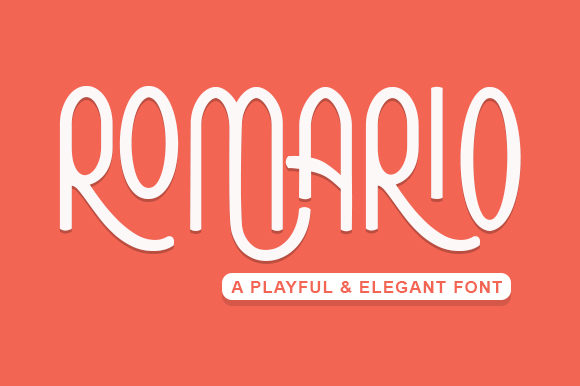
If you’ve ever scrolled past a social media ad, opened a boutique newsletter, or admired the clean typography on a craft brand’s packaging—you’ve likely felt Romario’s quiet confidence. It’s not loud or flashy. It doesn’t shout. But it holds space with intention. Romario is a beautifully balanced display font: light in weight, airy in rhythm, and unmistakably modern in attitude. Its letterforms carry subtle geometric precision—clean curves, open counters, and consistent stroke contrast—but never at the expense of warmth. There’s a softness to its terminals, a gentle lift in its ascenders, and just enough personality to feel human without drifting into informality.
Where Romario Fits Naturally
Romario isn’t built for body text. It’s designed to be seen—to introduce, highlight, and elevate. That makes it especially effective in contexts where first impressions matter most. Think logo design for lifestyle brands, editorial headlines in digital magazines, or hero text on landing pages for creative studios. It shines in packaging design for artisanal goods (think ceramic studios, small-batch teas, or indie perfumers), where minimalism and authenticity go hand-in-hand. Social media graphics benefit from its legibility at smaller sizes—especially Instagram story headers or Pinterest pins—because its open spacing and generous x-height keep clarity intact even when scaled down.
It also works surprisingly well in print environments that value breathing room: wedding invitations, exhibition posters, book covers for contemporary fiction or memoir, and even limited-run zines. What ties these uses together isn’t genre—it’s intent. Romario supports projects rooted in calm confidence, thoughtful curation, and understated distinction. It won’t suit a high-energy sports app or a law firm’s legal disclaimer page—and that’s by design. Its strength lies in alignment, not universality.
How Romario Shapes Perception
Typography isn’t neutral. Every typeface carries associative meaning—sometimes subtle, sometimes immediate. Romario communicates approachability without sacrificing polish. Its lightness suggests openness; its structure implies care. When used consistently across touchpoints—say, a website headline, email subject line, and product tag—it reinforces brand identity through visual rhythm rather than repetition alone. That consistency builds recognition faster than many realize. People don’t memorize fonts by name, but they remember how a brand *feels*—and Romario contributes directly to that feeling.
Readability here is contextual. At 36pt+ in headings, it’s effortlessly clear. At 18–24pt in subheads or short quotes, it remains highly legible—especially against light or muted backgrounds. But drop below 14pt in all-caps or tight tracking, and subtlety starts to blur. That’s not a flaw—it’s a cue. Romario asks you to respect its role. Use it where attention is invited, not demanded. In editorial design, for example, pairing Romario headlines with a warm, highly readable serif like Merriweather or a relaxed sans like Inter creates natural hierarchy: Romario sets the tone, the supporting type delivers the substance.
Testing Romario Thoughtfully
Before committing, test Romario in your actual environment—not just a font previewer. Drop it into your CMS, mock up a real email header, or paste it into a Canva template you use weekly. Pay attention to how it behaves with your brand colors. Does it retain contrast on your primary background? Does it feel balanced next to your existing logo mark? Try setting a short sentence in Romario at three sizes: 48pt (hero), 28pt (section break), and 16pt (caption). If the smallest size feels fragile or loses shape, scale back or reserve it strictly for larger applications.
Check the included styles. Most premium versions of Romario offer Regular and Italic, sometimes with a Light variant. The Italic isn’t a slanted copy—it’s thoughtfully drawn, with distinct letterforms that maintain flow and character. That matters in branding: an italicized tagline or quote should feel intentional, not tacked-on. Avoid faux bolding or stretching—Romario has no Bold weight, and forcing one undermines its integrity. If you need emphasis, use color, spacing, or layout instead.
Pairing With Purpose
Romario pairs best with typefaces that ground its lightness. A sturdy, low-contrast serif—like Crimson Pro or Lora—creates elegant contrast without competing. For digital-first brands, a friendly, highly legible sans serif (e.g., Inter, Manrope, or even a refined version of Open Sans) provides functional balance. Avoid overly decorative scripts or tight, condensed sans serifs—they clash with Romario’s open, unhurried pace. One practical tip: set Romario at 1.25× line height and your body font at 1.6–1.8×. That slight difference in vertical rhythm helps the eye distinguish roles instantly.
Licensing & Real-World Use
Romario is a commercial font, and licensing varies by vendor. Most reputable sources offer perpetual licenses with clear usage terms—covering web, desktop, app embedding, and sometimes even merchandise. Always verify whether your intended use (e.g., selling branded merch with Romario text, or using it in a SaaS dashboard) falls under the license. Some designers assume “personal use” means non-commercial only to discover later their client’s blog counts as commercial use—so read the fine print. If you’re a freelancer sourcing fonts for clients, choose vendors that provide itemized licenses you can transfer or document clearly.
You’ll also want to consider file formats. Web projects need WOFF2 files with proper CSS @font-face declarations; desktop apps require OTF or TTF. If you’re building a WordPress site, confirm the theme supports custom font uploads—or use a service like Fonts.com or Adobe Fonts that handles delivery and optimization automatically. And remember: performance matters. Only load the weights you actually use. Loading Romario Light + Regular + Italic when you only need Regular slows things down unnecessarily.
In practice, Romario earns its place when it serves a purpose—not just decorates. It’s the kind of font that looks effortless because it was designed with restraint and attention. Whether you're relaunching a small business website, designing a poetry chapbook, or crafting Instagram visuals for a wellness coach, Romario offers a quiet kind of authority. It doesn’t try to do everything. It does one thing very well: make thoughtful design feel both fresh and familiar.