Xinlitun Font: A Bold, Playful Display Typeface for Modern Design
Whether you're crafting a vibrant social media graphic, designing a bold book cover, or launching a new brand identity, typography plays a pivotal role in shaping how your message is perceived. Among the growing collection of expressive display fonts, Xinlitun stands out—not just for its visual impact, but for its thoughtful blend of cultural nuance, typographic confidence, and creative versatility. In this article, we’ll explore what makes Xinlitun more than just another decorative font—and why it’s becoming a go-to choice for designers, educators, marketers, and creative professionals alike.
What Is Xinlitun—and Why Does It Matter?
Xinlitun is a contemporary Chinese display font designed with boldness, rhythm, and joyful energy at its core. Unlike traditional serif or sans-serif typefaces built for long-form readability, Xinlitun belongs to the display font category—meaning it's optimized for short bursts of text where personality and presence take center stage: headlines, logos, posters, packaging, app splash screens, and digital banners.
The name “Xinlitun” (pronounced “shin-lee-tun”) evokes a sense of freshness and liveliness—“xin” meaning “new” or “fresh,” “li” suggesting “strength” or “vitality,” and “tun” hinting at “village” or “community.” While not a literal translation, the name reflects the font’s spirit: grounded yet spirited, modern yet culturally resonant.
A Font Built for Expression, Not Just Legibility
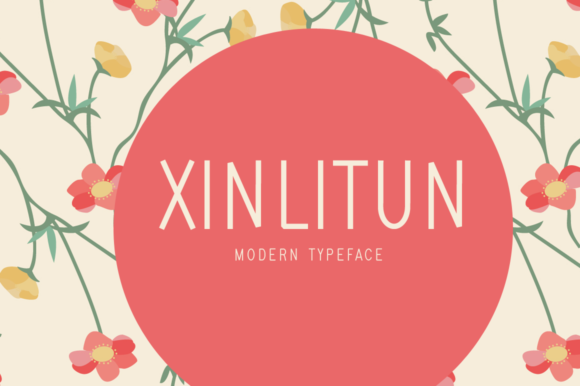
At first glance, Xinlitun commands attention. Its thick, confident strokes, dynamic contrast, and subtle hand-crafted irregularities give it a warm, human feel—like calligraphy reimagined for the digital age. Yet behind its playful appearance lies rigorous design discipline: consistent stroke modulation, balanced character spacing, and careful attention to Chinese typographic conventions such as stroke order, balance, and structural harmony.
This combination—bold structure + expressive detail—makes Xinlitun uniquely suited for projects that need both authority and charm. A tech startup might use it to convey innovation and approachability; an indie bookstore could feature it on event posters to signal creativity and community; an education app might employ it in onboarding screens to make learning feel inviting rather than intimidating.
Where Xinlitun Fits in Today’s Creative Landscape
In an era dominated by minimalist interfaces and neutral sans-serifs, Xinlitun offers something increasingly rare: intentional visual warmth. As audiences grow fatigued by algorithmically homogenized aesthetics, brands and creators are turning to distinctive, human-centered typography to stand out—and connect more authentically.
- Branding & Marketing: Companies targeting Gen Z and younger millennials often seek fonts that reflect authenticity and cultural fluency. Xinlitun delivers that—without leaning into clichéd “Asian-inspired” tropes. Its design respects Chinese typographic heritage while speaking fluently in global visual language.
- Educational Materials: Teachers and curriculum designers use Xinlitun in classroom posters, bilingual flashcards, and interactive learning apps. Its clear, open shapes improve recognition for early readers and language learners—especially when paired with pinyin or English translations.
- Digital Experiences: With robust web font support (WOFF2, variable font options), Xinlitun performs well across devices. Its high x-height and generous counters ensure legibility even at smaller sizes on mobile screens—making it practical as well as beautiful.
- Creative Projects: From zine covers to music album art, Xinlitun adds narrative texture. Designers report that pairing it with clean, neutral body fonts (like Noto Sans SC or Inter) creates compelling visual hierarchy—guiding the eye without overwhelming the content.
Common Misconceptions About Xinlitun
Because Xinlitun is bold and stylistically rich, newcomers sometimes assume it’s only for decorative use—or that it lacks versatility. That’s not accurate. Here’s what’s often misunderstood:
- “It’s only for Chinese text.” While Xinlitun was designed primarily for Simplified Chinese characters, many versions now include extended Latin, punctuation, and numeral sets—optimized to harmonize visually with the Chinese glyphs. This makes bilingual layouts seamless, not forced.
- “Bold means hard to read.” Boldness doesn’t equal illegibility—if the design is intentional. Xinlitun’s generous spacing, open apertures, and consistent stroke endings prioritize clarity, even at larger weights.
- “It’s trendy, so it won’t last.” Trends come and go—but enduring typefaces earn longevity through craftsmanship and adaptability. Xinlitun’s thoughtful proportions, cultural grounding, and responsive design features position it as a lasting tool—not a passing fad.
How to Use Xinlitun Effectively (Without Overdoing It)
Like any strong voice, Xinlitun shines brightest when given space to speak. Here are practical, experience-tested tips:
- Reserve it for impact moments. Use Xinlitun for primary headlines, call-to-action buttons, or section dividers—not body copy or dense paragraphs. Let it set the tone, then let supporting fonts carry the weight of information.
- Pair it thoughtfully. Contrast is key. Try Xinlitun with a highly legible, low-contrast sans-serif (e.g., Inter or Noto Sans SC) for balance. Avoid pairing it with other decorative or overly condensed fonts—they’ll compete instead of complement.
- Test across contexts. Preview Xinlitun in real usage: on dark mode UIs, printed posters at 150 dpi, or small mobile buttons. Its bold nature can shift dramatically depending on background color, size, and rendering engine.
- Respect licensing. Xinlitun is available under multiple licenses—including free versions for personal use and commercial licenses for businesses. Always verify permissions before deploying in client work or production environments.
Why Xinlitun Reflects Broader Shifts in Design Thinking
Xinlitun isn’t just a font—it’s a reflection of evolving values in design and communication. Its rise parallels growing appreciation for:
- Cultural specificity with universal appeal: Rather than flattening regional aesthetics into generic “global” styles, Xinlitun celebrates Chinese typographic tradition while meeting international usability standards.
- Human-centered digital tools: In a world of AI-generated templates and automated layouts, fonts like Xinlitun remind us that intentionality, craft, and empathy still drive meaningful design.
- Accessibility through expression: Research shows that expressive, high-contrast typefaces can improve engagement and recall—especially for neurodiverse users and visual learners. Xinlitun’s clarity and rhythmic consistency support inclusive communication.
A Final Thought: Typography as Quiet Advocacy
Every time you choose a font, you’re making a subtle statement—not just about aesthetics, but about values. Choosing Xinlitun signals respect for linguistic diversity, enthusiasm for creative risk, and belief in design’s power to uplift and energize. It’s a reminder that even in fast-moving digital spaces, beauty, boldness, and cultural depth still have room to thrive.
So whether you're sketching a logo on paper, prototyping a Figma interface, or preparing a presentation for stakeholders—consider giving Xinlitun a seat at the table. Not because it’s loud, but because it listens. And when used with care, it helps your ideas be seen, felt, and remembered.